


目录
一、链表
1.定义
链表是一种常见的数据结构,用于存储数据元素的集合。链表由一系列的节点组成,每个节点包含数据和指向下一个节点的指针。链表中的节点可以按照任意顺序存储,每个节点都通过指针与其他节点相连接,形成链式结构。

2.分类
单向或者双向 、带头或不带头、循环或非循环。
无头单向非循环链表:结构简单,一般不会单独用来存数据。实际中更多是作为其他数据结构的子结构,如哈希桶、图的邻接表等等。另外这种结构在笔试面试中出现很多。
无头双向链表:在Java的集合框架库中LinkedList底层实现就是无头双向循环链表。
二、无头单向非循环链表
无头单向非循环链表是指链表中没有头节点,且链表中的节点只能指向下一个节点,不能回指到前一个节点,也不能形成循环。每个节点包含一个数据域和一个指针域,指针域指向链表中的下一个节点。
1.模拟实现
Ilist接口:
package demo;

public interface IList {
    //头插法
    public void addFirst(int data);

    //尾插法
    public void addLast(int data);

    //任意位置插入,第一个数据节点为0号下标
    public void addIndex(int index, int data);

    //查找是否包含关键字key是否在单链表当中
    public boolean contains(int key);

    //删除第一次出现关键字为key的节点
    public void remove(int key);

    //删除所有值为key的节点
    public void removeAllKey(int key);

    //得到单链表的长度
    public int size();

    public void clear();

    public void display();
}
MySinglelist:
package demo;

public class MySinglelist implements IList{
    static class ListNode{
        public int val;
        public ListNode next;

        public ListNode(int val) {
            this.val = val;
        }
    }

    public ListNode head;

    public void createNode(){
        ListNode node1 = new ListNode(1);
        ListNode node2 = new ListNode(2);
        ListNode node3 = new ListNode(3);
        ListNode node4 = new ListNode(4);
        ListNode node5 = new ListNode(5);

        node1.next = node2;
        node2.next = node3;
        node3.next = node4;
        node4.next = node5;

        this.head = node1;
    }

    @Override
    public void addFirst(int data) {
        ListNode node = new ListNode(data);
        node.next = head;
        head = node;
    }

    @Override
    public void addLast(int data) {
        ListNode node = new ListNode(data);
        if(head == null){
            head = node;
            return;
        }
        ListNode cur = head;
        while(cur.next != null){
            cur = cur.next;
        }
        cur.next = node;
    }

    @Override
    public void addIndex(int index, int data) {
        int len = this.size();
        if(index > len || index < 0){
            System.out.println("index位置不合法!!");
            return;
        }

        if(index == 0){
            addFirst(data);
            return;
        }

        if(index == len){
            addLast(data);
            return;
        }

        ListNode node = new ListNode(data);
        ListNode cur = head;
        while (index - 1 != 0) {
            cur = cur.next;
            index--;
        }

        node.next = cur.next;
        cur.next = node;
    }

    @Override
    public boolean contains(int key) {
        ListNode cur = head;
        while(cur != null){
            if( cur.val == key){
                return true;
            }
            cur = cur.next;
        }
        return false;
    }

    @Override
    public void remove(int key) {
        ListNode cur = head;

        if(head == null){
            return;
        }

        if(head.val == key){
            head = head.next;
            return;
        }
        ListNode fr = this.findNodeOfKey(key);
        if(fr == null){
            return;
        }
        ListNode re = fr.next;
        fr.next = re.next;
    }

    private ListNode findNodeOfKey(int key){
        ListNode cur = head;
        while(cur.next != null){
            if(cur.next.val == key){
                return cur;
            }
            cur = cur.next;
        }
        return null;
    }

    @Override
    public void removeAllKey(int key) {
        if (head == null) {
            return;
        }

        while (head != null && head.val == key) {
            head = head.next;
        }

        if (head == null) {
            return;
        }

        ListNode cur = head;
        while (cur != null && cur.next != null) {
            if (cur.next.val == key) {
                // 跳过当前节点的下一个节点
                cur.next = cur.next.next;
            } else {
                // 继续遍历
                cur = cur.next;
            }
        }
    }

    @Override
    public int size() {
        ListNode cur = head;
        int len = 0;
        while(cur != null){
            len++;
            cur = cur.next;
        }
        return len;
    }

    @Override
    public void clear() {
        ListNode cur = head;
        while(cur != null){
            cur.next = null;
            cur = cur.next;
        }
        head = null;
    }

    @Override
    public void display() {
        ListNode cur = head;
        while( cur != null){
            System.out.print(cur.val + " ");
            cur = cur.next;
        }
        System.out.println();
    }
}
test:
package demo;

public class Test {
    public static void main(String[] args) {
        MySinglelist list = new MySinglelist();

        list.addLast(1);
        list.addLast(2);
        list.addLast(3);
        list.addLast(4);
        list.addLast(5);
        list.display();

        list.addFirst(99);
        list.display();

        list.addIndex(6,78);
        list.display();

        System.out.println(list.contains(3));
        System.out.println(list.contains(78));
        System.out.println(list.contains(96));

        System.out.println(list.size());

        list.remove(78);
        list.display();
        list.remove(99);
        list.display();

        list.addFirst(2);
        list.addLast(2);
        list.removeAllKey(2);
        list.display();

        list.clear();
        list.display();
    }
}
运行结果:
1 2 3 4 5
99 1 2 3 4 5
99 1 2 3 4 5 78
true
true
false
7
99 1 2 3 4 5
1 2 3 4 5
1 3 4 5
2.相关题目
题目:反转一个单链表。答题
思路:遍历链表一遍,将遍历到的节点依次移至head位置。
class Solution {
    public ListNode reverseList(ListNode head) {
        if (head == null) {
            return head;
        }
        ListNode cur = head.next;
        head.next = null;
        while (cur != null) {
            ListNode curN = cur.next;
            cur.next = head;
            head = cur;
            cur = curN;
        }
        return head;
    }
}思路:使用快慢指针,快指针一次走2步,慢指针一次走1步,当快指针走到最后的时候,慢指针指向的节点就是中间节点。
class Solution {
    public ListNode middleNode(ListNode head) {
        if(head == null){
            return null;
        }
        ListNode fast = head;
        ListNode slow = head;
        while(fast != null && fast.next != null){
            fast = fast.next.next;
            slow = slow.next;
        }
        return slow;
    }
}题目:输入一个链表,输出该链表中倒数第k个结点。 答题
思路:使用快慢指针,快指针先走k步,两指针再同时走,每次走一步,使两个指针之间永远隔着k个节点,当快指针走到最后的时候,慢指针指向的节点就是倒数第k个节点。
class Solution {
    public int kthToLast(ListNode head, int k) {
        ListNode fast = head;
        ListNode slow = head;
        while(k != 0){
            fast = fast.next;
            k--;
        }
        while(fast != null){
            fast = fast.next;
            slow = slow.next;
        }
        return slow.val;
    }
}
题目: 将两个升序链表合并为一个新的升序链表并返回。新链表是通过拼接给定的两个链表的所有节点组成的。 答题
思路:

class Solution {
    public ListNode mergeTwoLists(ListNode list1, ListNode list2) {
        ListNode newH = new ListNode(-1);
        ListNode tmp = newH;
        while (list1 != null && list2 != null) {
            if (list1.val < list2.val) {
                tmp.next = list1;
                list1 = list1.next;
                tmp = tmp.next;
            } else {
                tmp.next = list2;
                list2 = list2.next;
                tmp = tmp.next;
            }
        }
        if(list1 != null){
            tmp.next = list1;
        }
        if(list2 != null){
            tmp.next = list2;
        }
        return newH.next;
    }
}题目:编写代码,以给定值x为基准将链表分割成两部分,所有小于x的结点排在大于或等于x的结点之前 。答题
思路:

public class Partition {
    public ListNode partition(ListNode pHead, int x) {
        // write code here
        ListNode cur = pHead;
        ListNode bs = null;
        ListNode be = null;
        ListNode as = null;
        ListNode ae = null;

        while (cur != null) {
            if (cur.val < x) {
                //第一次插入
                if (bs == null) {
                    bs = be = cur;
                } else {
                    be.next = cur;
                    be = be.next;
                }
            } else {
                if (as == null) {
                    as = ae = cur;
                } else {
                    ae.next = cur;
                    ae = ae.next;
                }
            }
            cur = cur.next;
        }

        if (bs == null) {
            return as;
        }
        be.next = as;
        if (as != null) {
            ae.next = null;
        }

        return bs;
    }
}题目:链表的回文结构。 答题
思路:1.使用快慢指针定位中间节点;
2.翻转中间节点后面的节点顺序;
3.判断val。

class Solution {
    public boolean isPalindrome(ListNode head) {
        if (head == null) {
            return true;
        }
        // 1.使用快慢指针定位中间节点
        ListNode fast = head;
        ListNode slow = head;
        while (fast != null && fast.next != null) {
            fast = fast.next.next;
            slow = slow.next;
        }

        // 2.翻转中间节点后面的节点顺序
        ListNode cur = slow.next;
        while (cur != null) {
            ListNode curN = cur.next;
            cur.next = slow;
            slow = cur;
            cur = curN;
        }

        // 3.判断val
        while (head != slow) {
            if (head.val != slow.val) {
                return false;
            }
            if (head.next == slow) {
                return true;
            }
            head = head.next;
            slow = slow.next;
        }
        return true;
    }
}题目:输入两个链表,找出它们的第一个公共结点。 答题
思路:求两个链表长度的差值len,让较长链表的头结点指针先走len步,再让两指针同时走,相遇的节点就是第一个公共节点。

public class Solution {
    public ListNode getIntersectionNode(ListNode headA, ListNode headB) {
        int lenA = 0;
        int lenB = 0;
        ListNode pl = headA;
        ListNode ps = headB;
        // 1.求两链表长度
        while (pl != null) {
            lenA++;
            pl = pl.next;
        }
        while (ps != null) {
            lenB++;
            ps = ps.next;
        }
        pl = headA;
        ps = headB;

        // 2.求差值
        int len = lenA - lenB;
        if (len < 0) {
            pl = headB;
            ps = headA;
            len = -len;
        }

        // 3.先让pl走len步
        while (len != 0) {
            pl = pl.next;
            len--;
        }

        // 4.pl ps同时走直至相遇
        while (pl != ps) {
            pl = pl.next;
            ps = ps.next;
        }
        return pl;
    }
}题目:给定一个链表,判断链表中是否有环。答题
思路: 使用快慢指针,快指针一次走2步,慢指针一次走1步,速度相差1,如果有环,两指针总能相遇。
public class Solution {
    public boolean hasCycle(ListNode head) {
        ListNode fast = head;
        ListNode slow = head;
        while(fast != null && fast.next != null){
            fast = fast.next.next;
            slow = slow.next;
            if(fast == slow){
                return true;
            }
        }
        return false;
    }
}题目:给定一个链表,返回链表开始入环的第一个节点。 如果链表无环,则返回null(仅考虑fast比slow多走一圈的情况)。答题
思路:

public class Solution {
    public ListNode detectCycle(ListNode head) {
        ListNode fast = head;
        ListNode slow = head;
        while(fast != null && fast.next != null){
            fast = fast.next.next;
            slow = slow.next;
            if(fast == slow){
                break;
            }
        }
        if(fast == null || fast.next == null){
            return null;
        }
        slow = head;
        while(fast != slow){
            fast = fast.next;
            slow = slow.next;
        }
        return slow;
    }
}
三、无头双向链表LinkedList
无头双向链表,也被称为双链表,是一种双向链接的线性数据结构,每个节点有两个指针,分别指向前一个节点和后一个节点。
与单向链表不同的是,无头双向链表在操作上更加灵活,因为每个节点都有指向前一个节点的指针。这意味着可以从头到尾或者从尾到头遍历链表,也可以在 O(1) 时间复杂度下进行节点的插入和删除操作。
1.模拟实现
(Ilist接口同无头单向非循环链表)
MyLinkedlist:
package demo;

public class MyLinkedlist implements Ilist{
    static class ListNode{
        public int val;
        public ListNode prev;
        public ListNode next;

        public ListNode(int val) {
            this.val = val;
        }
    }

    public ListNode head;
    public ListNode last;

    @Override
    public void addFirst(int data) {
        ListNode node = new ListNode(data);
        if(head == null){
            head = last = node;
        }else{
            node.next = head;
            head.prev = node;
            head = node;
        }
    }

    @Override
    public void addLast(int data) {
        ListNode node = new ListNode(data);
        if(head == null){
            head = last = node;
        }else{
            node.prev = last;
            last.next = node;
            last = node;
        }
    }

    @Override
    public void addIndex(int index, int data) {
        int len = size();
        if(index < 0 || index > len){
            System.out.println("index位置不合法!");
        }
        if(index == 0){
            addFirst(data);
            return;
        }
        if(index == len){
            addLast(data);
            return;
        }
        ListNode node = new ListNode(data);
        ListNode cur = head;
        while(index - 1 != 0){
            cur = cur.next;
            index--;
        }
        ListNode curN = cur.next;
        cur.next = node;
        node.prev = cur;
        node.next = curN;
        curN.prev = node;
    }

    @Override
    public boolean contains(int key) {
        ListNode cur = head;
        while(cur != null){
            if(cur.val == key){
                return true;
            }
            cur = cur.next;
        }
        return false;
    }

    @Override
    public void remove(int key) {
        ListNode cur = head;
        while(cur != null){
            //注意链表只有一个节点的情况!!!
            if(cur.val == key){
                if(cur == head){
                    head = head.next;
                    if(head != null) {
                        head.prev = null;
                    }
                }else if(cur == last){
                    last = last.prev;
                    last.next = null;
                }else{
                    cur.prev.next = cur.next;
                    cur.next.prev = cur.prev;
                }
                return;
            }
            cur = cur.next;
        }
    }

    @Override
    public void removeAllKey(int key) {
        ListNode cur = head;
        while(cur != null){
            //注意链表只有一个节点的情况!!!
            if(cur.val == key){
                if(cur == head){
                    head = head.next;
                    if(head != null) {
                        head.prev = null;
                    }
                }else if(cur == last){
                    last = last.prev;
                    last.next = null;
                }else{
                    cur.prev.next = cur.next;
                    cur.next.prev = cur.prev;
                }
            }
            cur = cur.next;
        }
    }

    @Override
    public int size() {
        int len = 0;
        ListNode cur = head;
        while(cur != null){
            len++;
            cur = cur.next;
        }
        return len;
    }

    @Override
    public void clear() {
        ListNode cur = head;
        while(cur != null){
            ListNode curN = cur.next;
            cur.prev = null;
            cur.next = null;
            cur = curN;
        }
        head = last = null;
    }

    @Override
    public void display() {
        ListNode cur = head;
        while(cur != null){
            System.out.print(cur.val + " ");
            cur = cur.next;
        }
        System.out.println();
    }
}
Test:
package demo;

public class Test {
    public static void main(String[] args) {
        MyLinkedlist list = new MyLinkedlist();

        list.addFirst(5);
        list.addFirst(4);
        list.addFirst(3);
        list.addFirst(2);
        list.addFirst(1);
        list.display();

        list.addLast(99);
        list.display();

        System.out.println(list.size());

        System.out.println(list.contains(1));
        System.out.println(list.contains(100));

        list.addIndex(4,78);
        list.display();

        list.remove(78);
        list.display();

        list.addIndex(0,36);
        list.addIndex(3,36);
        list.display();
        list.removeAllKey(36);
        list.display();

        list.clear();
        list.display();
    }
}
运行结果:
1 2 3 4 5
1 2 3 4 5 99
6
true
false
1 2 3 4 78 5 99
1 2 3 4 5 99
36 1 2 36 3 4 5 99
1 2 3 4 5 99
2.LinkedList的使用
LinkedList是一种常用的数据结构,实现了List接口和Deque接口,可以用于存储一系列的元素。它的特点是可以快速地在任意位置进行插入、删除和访问操作。
使用LinkedList可以按照以下步骤进行:
1.导入LinkedList类:在java代码中,首先需要导入LinkedList类,可以使用以下代码导入:
import java.util.LinkedList;
2.创建LinkedList对象:创建一个空的LinkedList对象,可以使用以下代码创建:
LinkedList<Type> linkedList = new LinkedList<>();这里的Type表示你要存储的元素的类型,例如Integer、String等。
如:
public static void main(String[] args) {
    // 构造一个空的LinkedList
    List<Integer> list1 = new LinkedList<>();
    List<String> list2 = new java.util.ArrayList<>();
    list2.add("JavaSE");
    list2.add("JavaWeb");
    list2.add("JavaEE");
    // 使用ArrayList构造LinkedList
    List<String> list3 = new LinkedList<>(list2);
}
3.LinkedList的常用方法
|
方法
|
解释
|
|
boolean
add
(E e)
|
尾插
e
|
|
void
add
(int index, E element)
|
将
e
插入到
index
位置
|
|
boolean
addAll
(Collection<? extends E> c)
|
尾插
c
中的元素
|
|
E
remove
(int index)
|
删除
index
位置元素
|
|
boolean
remove
(Object o)
|
删除遇到的第一个
o
|
|
E
get
(int index)
|
获取下标
index
位置元素
|
|
E
set
(int index, E element)
|
将下标
index
位置元素设置为
element
|
|
void
clear
()
|
清空
|
|
boolean
contains
(Object o)
|
判断
o
是否在线性表中
|
|
int
indexOf
(Object o)
| 返回第一个 o 所在下标 |
|
int
lastIndexOf
(Object o)
|
返回最后一个
o
的下标
|
| List<E> subList(int fromIndex, int toIndex) |
截取部分
list
|
4.LinkedList的遍历
-
fori遍历
-
foreach遍历
for (int e:list) { System.out.print(e + " "); } System.out.println() -
迭代器正向遍历
ListIterator<Integer> it = list.listIterator();
while(it.hasNext()){
    System.out.print(it.next()+ " ");
}
System.out.println();
迭代器反向遍历
ListIterator<Integer> rit = list.listIterator(list.size());
while (rit.hasPrevious()){
    System.out.print(rit.previous() +" ");
}
System.out.println();
四、ArrayList和LinkedList的区别
|
不同点
|
ArrayList
|
LinkedList
|
|
存储空间上
|
物理上一定连续
|
逻辑上连续,但物理上不一定连续
|
|
随机访问
|
支持
O(1)
|
不支持:
O(N)
|
|
头插
|
需要搬移元素,效率低
O(N)
|
只需修改引用的指向,时间复杂度为
O(1)
|
|
插入
|
空间不够时需要扩容
|
没有容量的概念
|
|
应用场景
|
元素高效存储
+
频繁访问
| 任意位置插入和删除频繁 |
五、练习题
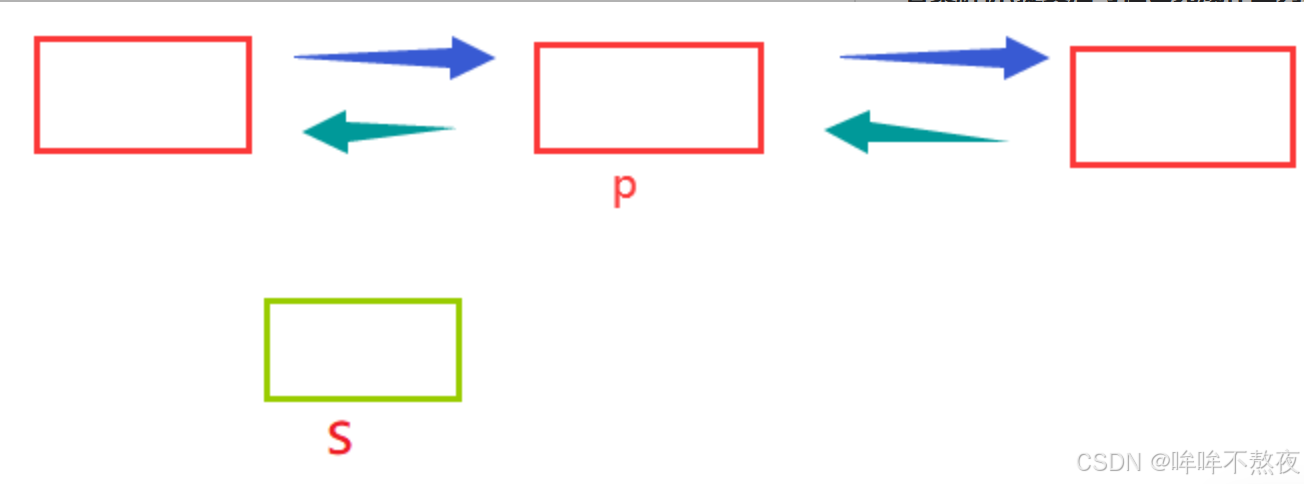
在一个循环双向链表中,要在p所指的节点之前插入s所指节点,以下代码正确的执行次序是( )
① p.prev.next=s;
② p.prev=s;
③ s.prev=p.prev;
④ s.next=p;
A.④③①②
B.④③②①
C.②①④③
D.②①③④
答案:A
下列判断带头结点双向循环链表为空的语句中,正确的是( )
A.head == null;
B.head.next == null;
C.head.next == head;
D.head != null;
答案:C







 扫一扫
扫一扫


 8900
8900


 到【灌水乐园】发言



