



 文章详细介绍了Java中String类的特点,包括其不可变性、存储方式以及与C/C++的区别。此外,文章还展示了如何自定义一个名为MyString的类,实现字符串的构造、获取长度、字符访问、子串提取和连接等功能。示例代码展示了MyString类的实现细节和测试用例。
java的String功能特点
Sring字符串是一个类,属于引用数据类型,提供比较大小、连接串等方法
String的对象是不是一个字符数组,不能以数组下标格式s[i]进行操作,这和c/c++不一样!!
String是java一个特殊类,不仅约定了其常量形式,还重载“=”,使它能和基本数据类型一样,进行赋值和运算 例如:String str = "java"。
java字符串常量和c/c++形式一样,用双引号和括起来 例如:“java”。
java字符串 采用单引号,只能是char类型。例如'a'。
java中的String类特点
String是最终类,不能被继承
String类以字符串方式存储和实现字符串操作,采用字符串数组存储字符序列
但是,java数组容量就等于串长度,串尾没有'\0'作为字符串结束符,这和c/c++不一样!!!
见下图
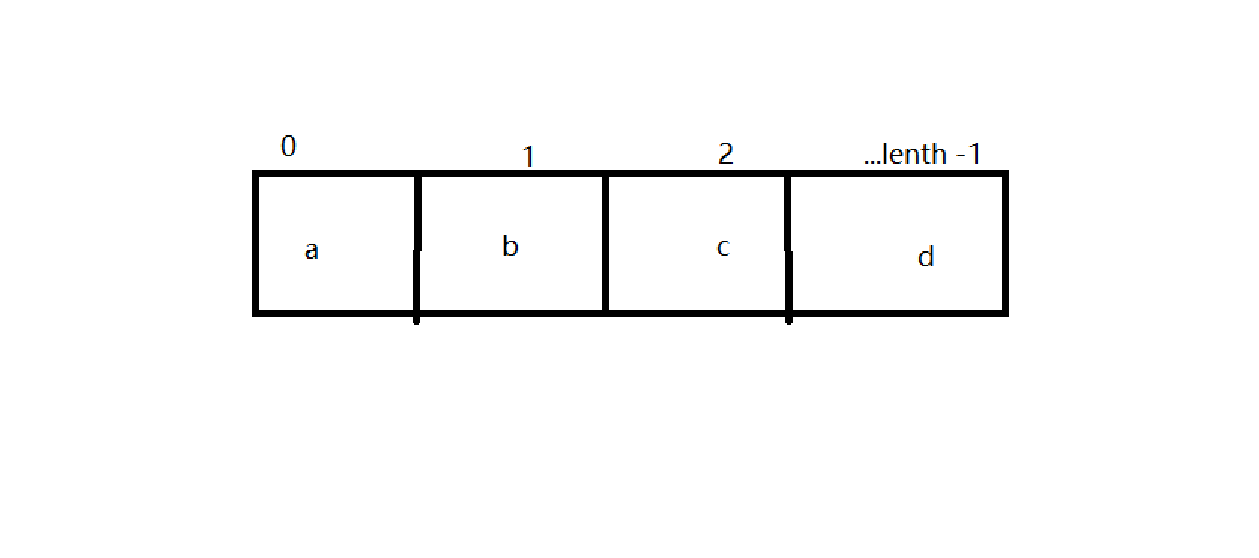
声明字符数组是最终变量,串中各种字符是只读的。当构造串对象时,对字符串数组进行一次赋值,不能更改,String只提供了字符操作charAr(i),不提供修改字符、插入字符等操作。
构造串、求子串和连接串的操作都是深拷贝,重新申请字符串占用的字符数组,复制字符数组,不会改变原串。
代码演示:
为防止与String类名字相同,导致冲突,下面的类名为MyString
MyString类
/*
    实现以下功能
    四种构造方法:无参构造、字符串常量构造、字符串数组构造、MyString对象构造
    实现方法:getLenth()、charAt()、subString()、contact、


 */
public final class MyString {
    private final char[] value; //字符数组,私有最终变量,只能赋值一次,且不能修改

    //默认构造
    public MyString() {
        this.value = new char[0];
    }

    //字符串常量构造
    public MyString(String s) {
        this.value = new char[s.length()];
        for (int i = 0; i < this.value.length; i++) {
            value[i] = s.charAt(i);
        }
    }

    //字符数组进行构造
    //以str数组,从索引第i个位置,进行复制n个字符串
    //i>=0 , n>=0 , i+n<=str.lenth
    public MyString(char[] str, int i, int n) {

        if (i >= 0 && n >= 0 && (i + n) <= str.length) {
            this.value = new char[n];
            System.arraycopy(str,i,this.value,0,n - i);
            //这种也可也
//            for (int j = i; j < n; j++) {
//                this.value[j] = str[j];
//            }

        } else {
            throw new StringIndexOutOfBoundsException("i=" + i + ", n=" + n + " i+n=" + (i + n));
        }
    }

    // 字符数组进行构造
    public MyString(char[] str) {this(str, 0, str.length);
    }

    //MyString构造
    public MyString(MyString s) {this(s.value);}

    @Override
    public String toString() {

        String str = this.getClass().getName()+"(";
        for (int i = 0; i < this.value.length; i++) {
            str += this.value[i];
        }

        return str+")";
    }

    /*
         public int getLenth()
         返回字符串长度
         retturn:返回字符串长度
         */
    public int getLenth() {return this.value.length;}


    /*
    public char charAt(int i)
    返回索引i对应的元素
    return:value[i]
     */
    public char charAt(int i) {
        //i必须在合法范围内
        if (i >= 0 && i <= this.value.length) {
            return this.value[i];

        } else {
            //否则就抛出异常
            throw new StringIndexOutOfBoundsException("i=" + i);
        }

    }

    /*
    返回数组类型的子串
    注意:截取范围为左开右闭
    public char[] subCharString(int begin, int end)
    begin:开始截取的元素索引
    end:结束截取的元素索引,注意,到end为结束,实际截取的是end - 1

    return:截取后的数组
     */
    public char[] subCharString(int begin, int end) {
        //方法1
        //将原串中截取一部分作为子串

        if (begin >= 0
                && begin <= end && end <= this.value.length) {

            //构建临时数组,存储子串
            char []temp = new char[end - begin];
            for (int i = begin; i < end; i++) {
                temp[i] = this.value[i];
            }
            return temp;
        }

        return null;
    }//subString

    /*
    返回MyString类型的子串
    注意:截取范围为左开右闭
    public MyString subMyString(int begin, int end)
    begin:开始截取的元素索引
    end:结束截取的元素索引,注意,到end为结束,实际截取的是end - 1

    return:截取后的新对象
     */
    public MyString subMyString(int begin, int end){

        //如果截取范围和数组范围一样
        if(begin == 0 && end == this.value.length){
            return this;
        }

        return new MyString(this.value, begin,end - begin);

    }

    public MyString subMyString(int begin){
        return subMyString(begin,this.value.length);
    }

    /*
    public  MyString contact(MyString s)
    连接两个字符串
    s:要连接的MyString对象
    return:连接好的MyString对象
     */
    public  MyString contact(MyString s){
        //连接this.value 和 s
        //如果为空,就复制现在存在value
        if (s == null || s.equals("")){ s = new MyString(this.value);}

        int len = this.value.length + s.getLenth();//连接后的数组长度
        char []buffer = new char[len];
        int j;
        for ( j = 0; j < this.value.length; j++) {buffer[j] = this.value[j];}
        for (int i = 0  ; i < s.value.length; i++) {buffer[i + j] = s.value[i];}

        //下面的for循环是测试是否数据已经存进了buffer数组
        /*
        for (int i = 0; i < buffer.length; i++) {
            System.out.print("buffer"+i+buffer[i]+",");
        }
        System.out.println("");
        System.out.println("buffer:"+buffer[0]);
        */

        return new MyString(buffer);
    }

    /*
    判断字符串是否以指定前缀开始
     */
    public boolean startWtih(String prefix){
        //java API文档规定如果perfix为空,也返回true
        //如果prefix与this一样,也返回trie
        if(prefix == null || prefix == ""
                || this.value.equals(prefix)){
            return true;
        }

        if(prefix.charAt(0) == this.value[0]){
            return true;
        }

        return false;
    }


    /*
    public boolean endWith(String suffix)
    是否以指定的字符串缀结束

     */

    public boolean endWith(String suffix){
        //字符串为空或与this相同,返回true
        if(suffix == null || suffix == "" || this.equals(this.value) ){ return  true;}

        if(suffix.charAt(suffix.length() - 1) == this.value[this.value.length - 1] ){return true;}
        return false;
    }
}
Test测试类
public class Test {

    public static void main(String[] args) {
        //创建对象
        MyString myString = new MyString("abcd");
        //测试getLenth()方法
        System.out.println(myString.getLenth());

       // 测试charAt()方法
         System.out.println(myString.charAt(0));

        //测试toString()方法
        System.out.println(myString.toString());

        //测试subCharString()方法
        System.out.println(myString.subCharString(0,3));

       // 测试contact()方法
        MyString myString1 = new MyString("123");
        MyString myString2 = myString.contact(myString1);
        System.out.println(myString2.toString());

        //测试startWtih()方法
        System.out.println(myString.startWtih(""));
       //测试endWith()方法
        System.out.println(myString.endWith("-1"));

    }


}





 扫一扫
扫一扫


 7万+
7万+

 被折叠的 条评论
为什么被折叠?
被折叠的 条评论
为什么被折叠?
 到【灌水乐园】发言





