



 文章介绍了一种使用HTML5Canvas通过鼠标事件动态绘制并拖动图形的方法。通过构造函数RectFactory,可以创建可拖动的矩形,利用beginPath(),moveTo(),lineTo()等方法绘制图形,并在鼠标按下和移动事件中更新图形位置。此外,还实现了判断鼠标点击是否在图形内的功能,以实现拖动效果。
在日常项目开发中,我们或多或少会遇到使用canvas的场景,下面我分享一个使用canvas绘制多个图形,并可以进行拖动的案例,例如:
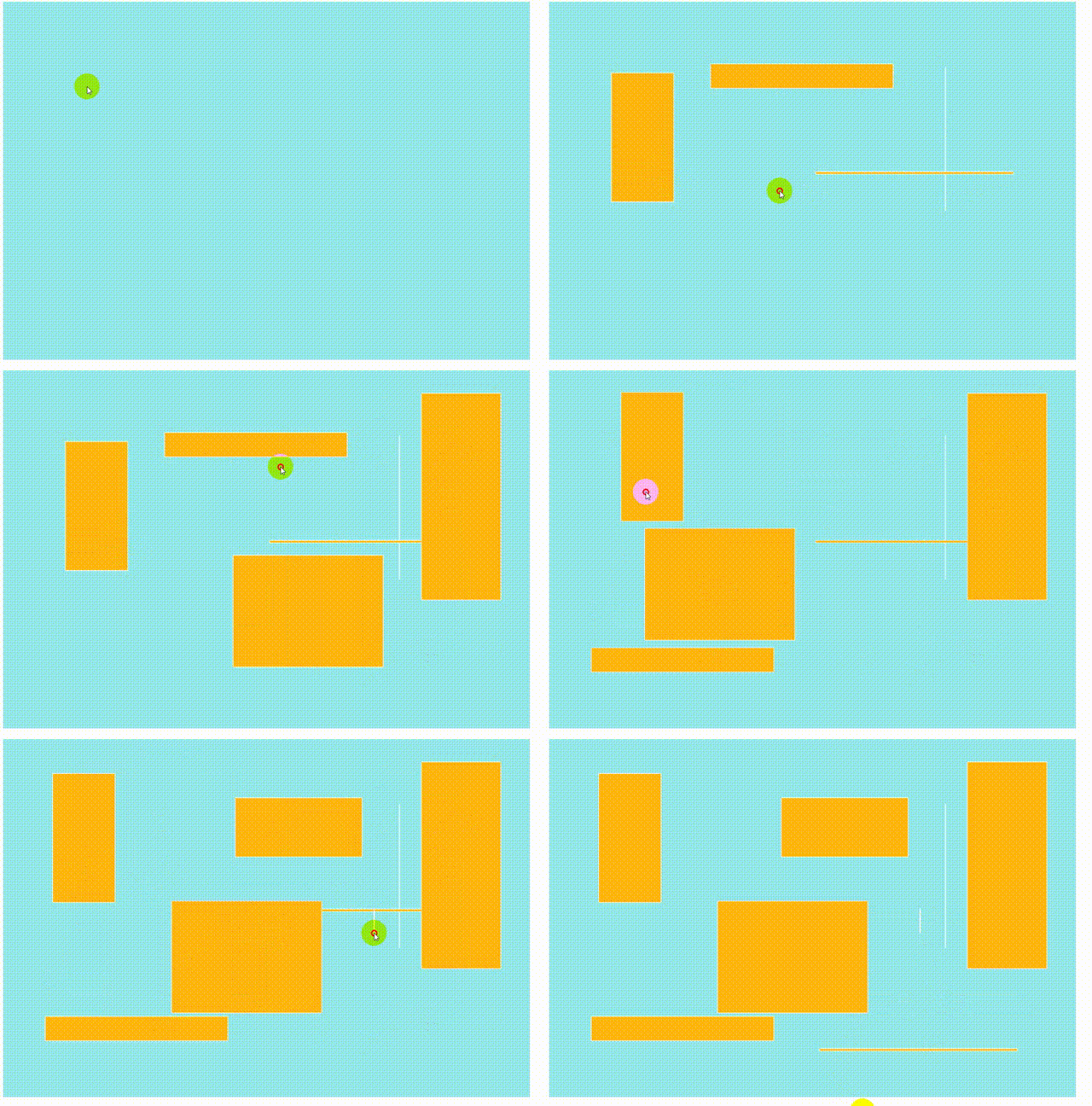
通过canvas手册,我们可以获取到绘制图形的方法:ctx.fillRect(x, y, width, height),其中,x, y 分别为绘制的起始坐标,width, height 分别为绘制的宽度和高度,但是这种方法有个弊端,如果我们是通过鼠标来绘制,点击开始,移动,鼠标抬起,绘制完成,那么,对于上述的方法来说,局限性就比较大。
当然,也不是说没有解决办法,canvas中提供了另外的一种绘制图形方式:例如:
var ctx = canvas.getContext('2d');
ctx.beginPath();
ctx.moveTo(75, 50);
ctx.lineTo(100, 75);
ctx.lineTo(100, 25);
ctx.fill();
这种方式使我们的绘制更加灵活,我们可以多次使用ctx.lineTo(x, y) 来绘制我们想要的图形路径,最后进行填充,得到最终图形。
那么现在,我们就通过上述的方法,通过鼠标来绘制不同大小的长方形,并可以进行拖动更换位置。
按照通常惯例,我们需要获取canvas,并设置相关的宽高:
<!--
 * @Author: ChenJinZhu
 * @Date: 2023-04-15 15:55:29
 * @Contact:1483364913@qq.com
 * @FilePath: F:\桌面文件\demo.html
-->
<!DOCTYPE html>
<html lang="en">

<head>
    <meta charset="UTF-8">
    <meta http-equiv="X-UA-Compatible" content="IE=edge">
    <meta name="viewport" content="width=device-width, initial-scale=1.0">
    <title>Document</title>
</head>

<body>
    <div>
        <canvas id="canvas"></canvas>
    </div>
</body>

<script>
    // 获取canvas
    const canvas = document.getElementById('canvas');
    const ctx = canvas.getContext('2d');

    // 设置宽高
    const w = 1200, h = 800;
    canvas.width = w * devicePixelRatio;
    canvas.height = h * devicePixelRatio;

</script>
</html>
接下来,就是使用canvas提供的方法,来绘制。
因为是需要绘制多个,所以,我定义了一个构造函数,使用这个函数,生成数组对象,通过调用对象内部的绘制方法就能绘制出相关图形:
class RectFactory {
    /**
     * @startX:鼠标 点击时 的坐标轴 X 值
     * @startY:鼠标 点击时 的坐标轴 Y 值
     * @endX:鼠标 抬起时 的坐标轴 X 值
     * @endY:鼠标 抬起时 的坐标轴 Y 值
     * */
    constructor(startX, startY, endX, endY) {
        this.startX = startX;
        this.startY = startY;
        this.endX = endX;
        this.endY = endY;

    }
    // 为了保持不同的鼠标绘制方向都能绘制出图形,对坐标进行处理。
    get minX() {
        return Math.min(this.startX, this.endX);
    }
    get maxX() {
        return Math.max(this.startX, this.endX);
    }
    get minY() {
        return Math.min(this.startY, this.endY);
    }
    get maxY() {
        return Math.max(this.startY, this.endY);
    }

    draw() {
        ctx.beginPath();
        ctx.moveTo(this.minX * devicePixelRatio, this.minY * devicePixelRatio);
        ctx.lineTo(this.maxX * devicePixelRatio, this.minY * devicePixelRatio);
        ctx.lineTo(this.maxX * devicePixelRatio, this.maxY * devicePixelRatio);
        ctx.lineTo(this.minX * devicePixelRatio, this.maxY * devicePixelRatio);
        ctx.lineTo(this.minX * devicePixelRatio, this.minY * devicePixelRatio);
        // 填充颜色
        ctx.fillStyle = '#ffb60f';
        ctx.fill();
        ctx.strokeStyle = '#fff';
        ctx.lineCap = 'square';
        ctx.lineWidth = 1 * devicePixelRatio;
        ctx.stroke();
    }
}
图形的绘制构造函数写完之后,我们只需要对对应的鼠标函数进行完善即可:
canvas.onmousedown = (e) => {
    // 鼠标按下时,需要获取canvas相对浏览器视窗的位置
    const rect = canvas.getBoundingClientRect();
    // 获取鼠标按下时,相对canvas的位置。
    // 因为canvas的坐标系是从左上角开始的,所以需要减去canvas相对浏览器视窗的位置。
    const clickX = e.clientX - rect.left;
    const clickY = e.clientY - rect.top;
    // 执行绘制方法
    drawRect(e, clickX, clickY, rect)
}

const drawRect = (e, clickX, clickY, rect) => {
    // 鼠标按下,立即通过构造函数创建新的对象
    const shape = new RectFactory(clickX, clickY)

    // 全局定义的数组,每次鼠标按下,就将创建好的对象推入数组中。
    shapeCollection.push(shape)

    // 执行鼠标移动事件,移动时,同时修改当前对象的结束坐标
    window.onmousemove = (evt) => {
        ctx.clearRect(0, 0, canvas.width, canvas.height);
        shape.endX = evt.clientX - rect.left;
        shape.endY = evt.clientY - rect.top;
    }
}
最后,我们只需要一直循环 shapeCollection,并调用里面的 draw() 方法,即可:
const draw = () => {
    requestAnimationFrame(draw)
    for (const pp of shapeCollection) {
        pp.draw()
    }
}
draw()
到此,我们就可以随便绘制图形咯。但是,此时功能还未结束,我们还需要拖动的功能,那么,在点击的时候,只需要判断下当前的位置是不是在图形的内部,此判断方法,需要加在构造函数内部,所以,只需要对代码进一步修改即可,以下是次功能的全部代码:
<!--
 * @Author: ChenJinZhu
 * @Date: 2023-04-15 15:55:29
 * @Contact:1483364913@qq.com
 * @FilePath: F:\桌面文件\demo.html
-->
<!DOCTYPE html>
<html lang="en">

<head>
    <meta charset="UTF-8">
    <meta http-equiv="X-UA-Compatible" content="IE=edge">
    <meta name="viewport" content="width=device-width, initial-scale=1.0">
    <title>Document</title>
</head>

<body>
    <div>
        <canvas id="canvas" style="background-color: #94e8ea"></canvas>
    </div>
</body>

<script>
    // 获取canvas
    const canvas = document.getElementById('canvas');
    const ctx = canvas.getContext('2d');

    // 所有绘制的图形推入数组中。
    let shapeCollection = []

    // 设置宽高
    const w = 1200, h = 800;
    canvas.width = w * devicePixelRatio;
    canvas.height = h * devicePixelRatio;
    class RectFactory {
        /**
         * @startX:鼠标 点击时 的坐标轴 X 值
         * @startY:鼠标 点击时 的坐标轴 Y 值
         * @endX:鼠标 抬起时 的坐标轴 X 值
         * @endY:鼠标 抬起时 的坐标轴 Y 值
         * */
        constructor(startX, startY, endX, endY) {
            this.startX = startX;
            this.startY = startY;
            this.endX = endX;
            this.endY = endY;

        }
        // 为了保持不同的鼠标绘制方向都能绘制出图形,对坐标进行处理。
        get minX() {
            return Math.min(this.startX, this.endX);
        }
        get maxX() {
            return Math.max(this.startX, this.endX);
        }
        get minY() {
            return Math.min(this.startY, this.endY);
        }
        get maxY() {
            return Math.max(this.startY, this.endY);
        }

        draw() {
            ctx.beginPath();
            ctx.moveTo(this.minX * devicePixelRatio, this.minY * devicePixelRatio);
            ctx.lineTo(this.maxX * devicePixelRatio, this.minY * devicePixelRatio);
            ctx.lineTo(this.maxX * devicePixelRatio, this.maxY * devicePixelRatio);
            ctx.lineTo(this.minX * devicePixelRatio, this.maxY * devicePixelRatio);
            ctx.lineTo(this.minX * devicePixelRatio, this.minY * devicePixelRatio);
            ctx.fillStyle = '#ffb60f';
            ctx.fill();
            ctx.strokeStyle = '#fff';
            ctx.lineCap = 'square';
            ctx.lineWidth = 1 * devicePixelRatio;
            ctx.stroke();
        }

        // 判断当前点击位置是否在图形内部
        isInside(x, y) {
            return x >= this.minX && x <= this.maxX && y >= this.minY && y <= this.maxY
        }
    }

    canvas.onmousedown = (e) => {
        const rect = canvas.getBoundingClientRect();
        const clickX = e.clientX - rect.left;
        const clickY = e.clientY - rect.top;
        const shape = getRect(clickX, clickY)

        if (shape) {
            moveRect(e, clickX, clickY, rect, shape)
        } else {
            drawRect(e, clickX, clickY, rect)
        }

    }
    canvas.onmouseup = () => {
        canvas.onmousemove = null;
        window.onmousemove = null;
    };

    // 鼠标点击canvas查看是否点击到了已经绘制的路线,若是,则返回相关线的对象,若否,返回null
    const getRect = (x, y) => {
        for (let i = shapeCollection.length - 1; i >= 0; i--) {
            const element = shapeCollection[i];
            if (element.isInside(x, y)) {
                return element;
            }
        }
        return null
    }

    const drawRect = (e, clickX, clickY, rect) => {
        const shape = new RectFactory(clickX, clickY)
        shapeCollection.push(shape)
        window.onmousemove = (evt) => {
            ctx.clearRect(0, 0, canvas.width, canvas.height);
            shape.endX = evt.clientX - rect.left;
            shape.endY = evt.clientY - rect.top;
        }
    }

    const moveRect = (e, clickX, clickY, rect, shape) => {
        const { startX, startY, endX, endY } = shape;
        window.onmousemove = (evt) => {
            ctx.clearRect(0, 0, canvas.width, canvas.height);
            const distanceX = evt.clientX - rect.left - clickX;
            const distanceY = evt.clientY - rect.top - clickY;
            shape.startX = startX + distanceX;
            shape.startY = startY + distanceY;
            shape.endX = endX + distanceX;
            shape.endY = endY + distanceY;
        }
    };

    const draw = () => {
        requestAnimationFrame(draw)
        for (const pp of shapeCollection) {
            pp.draw()
        }
    }
    draw()
</script>
</html>
如果此篇文章对您有一定帮助,请给一个赞吧~,您的赞,是对我最大的鼓励 ٩(๑❛ᴗ❛๑)۶






 扫一扫
扫一扫


 173
173


 到【灌水乐园】发言



